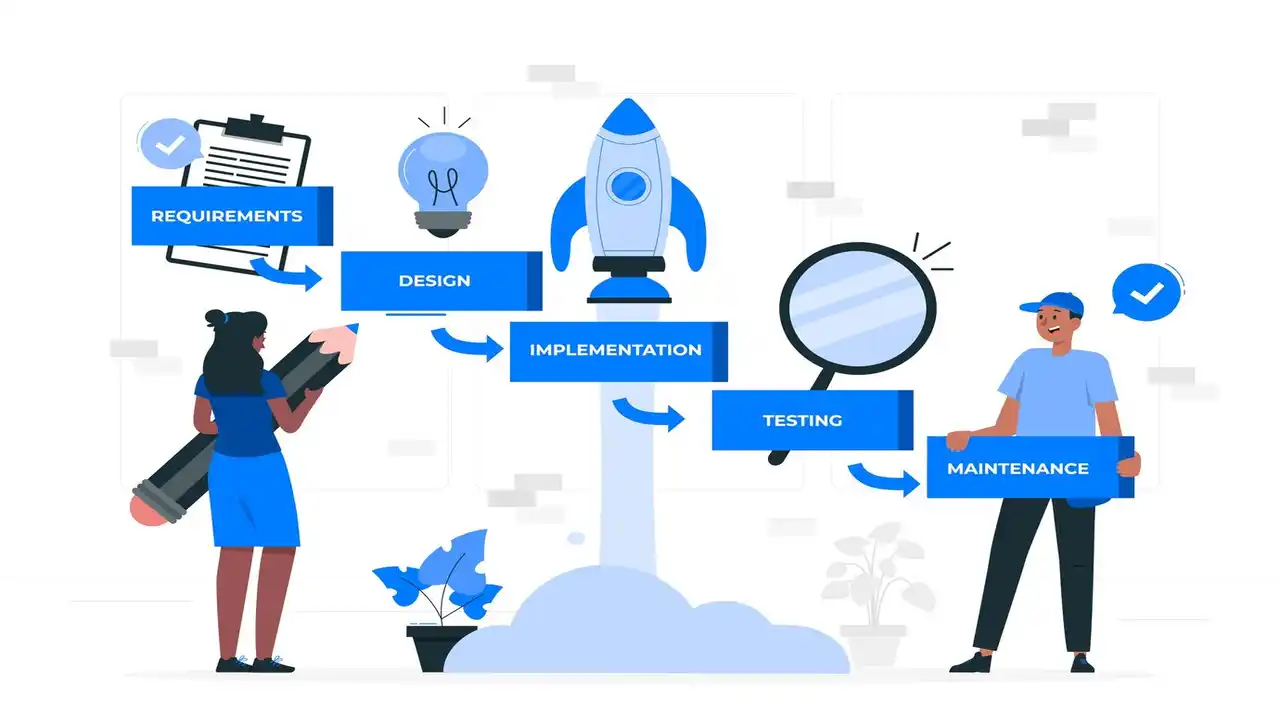
Project management is difficult to comprehend. A proficient project manager will possess an extensive repertoire of abilities and knowledge. B refers to the current processes, documentation, and resources. A proficiency in project administration is advantageous for all sectors. Typically, organizations customize it to suit specific project categories based on their magnitude, nature, sector, or organization. A good example would be the construction industry, which develops infrastructure such as structures, roads, and bridges. In this industry, the management of professional initiatives is approached differently. This process, referred to as project management within the construction industry, is amenable to study and certification. Check out these components of project management to enhance your knowledge.
Project management focuses on efficient supervision to achieve project objectives. It’s widely adopted for its versatility and universal advantages. This article describes these advantages and how applications such as Sinnaps can assist you in managing and enhancing your projects. To stay informed about functions of project management subject, make sure to read more.
Components of Project Management
Project management entails the methodical preparation, execution, and evaluation of an undertaking with the purpose of attaining a pre-established objective. Project management entails establishing objectives that are quantifiable and attainable, devising a strategy to achieve those objectives, carrying out that strategy, and monitoring the project’s progress to ensure it remains on track. A multitude of components are involved in project management, and their integration is critical for the successful completion of the undertaking. Check out these components of project management to broaden your knowledge.
Risk Management
The term “risk management” pertains to the procedural measures implemented to identify potential hazards to a given undertaking, assess their viability, and subsequently assign a severity rating to them. Develop and execute response strategies to mitigate or eliminate them. Project management consistently executes this ongoing procedure. The adherence to the project schedule is a direct result of this.
Project Closure
At project closure, all tasks are finalized, issues resolved, and the project formally terminated. You should also include in this section any knowledge gained that will assist you in enhancing the caliber of your subsequent endeavors. Ensuring a fitting conclusion to the project is crucial to validate the achievement of all objectives and mark its successful completion.
Project Organization
The tasks involved in project management consist of establishing a well-defined hierarchy, recruiting personnel, and delegating duties to individual team members. Furthermore, it entails establishing a project office or another structure for project administration to assist the project team and ensure effective collaboration. This aspect of project management is critical because it ensures that all team members are aware of their responsibilities and facilitates the project’s seamless operation.
Project Monitoring and Control
Through the process of comparing actual progress to the predetermined schedule, resolving issues as they arise, and adjusting the plan accordingly, the project remains on track. Monitoring and overseeing the undertaking comprises each of the aforementioned responsibilities. Additionally, this involves overseeing the project’s budget, schedule, and quality while managing its risks. Effective oversight and management of a project are essential for maintaining its timeline and promptly identifying and resolving issues.
Project Planning
Objectives, scope, schedule, and budget are set before project implementation in the planning phase. To ensure the successful achievement of the project’s objectives, it is imperative to develop an elaborate plan that details each task and their corresponding due dates. Additionally, the plan ought to comprehensively delineate the responsibilities and obligations of every member of the team. Alongside delineating the overarching trajectory of the undertaking, this strategy elucidates the precise assignments and deadlines pertaining to the contributions of every individual.
Budgeting
The process of creating a comprehensive financial plan that accounts for all project expenses is known as budgeting. Determining the total expenditure required for the undertaking, encompassing materials, labor, apparatus, and unforeseen expenditures, is the initial step. It is critical to construct a solid budget for a project in order to control expenses and promptly address any unforeseen costs that may occur.
Stakeholder Management
When in pursuit of female companions, it is advisable to employ a broad approach. Include on the list any groups or individuals who have a greater stake in the outcome than you and your team do, or who consider themselves to be stakeholders. Monitoring backgrounds, like those of neighborhood groups or board members, may spark interest in our organization’s opportunity. Regardless of the stakeholders, you should maintain an open mind and seek out individuals who are willing to assist you in achieving your objectives.
As soon as you have identified the initial stakeholders, you should begin to consider the most effective means of interaction with them and mutual communication. In relation to both quantity and nature, the communication requirements of distinct stakeholders vary. Although meticulous planning for the communication process may prove futile, opting for the backdoor may prove to be counterproductive.
Resource Management
Management of resources encompasses the responsibility of overseeing the diverse components—individuals, equipment, and supplies—required to accomplish a given objective. This involves tasks such as identifying the required resources, assigning those resources to the appropriate individuals, and monitoring their utilization throughout the project’s duration. The effective and timely accomplishment of the task is contingent upon the meticulous administration of the available resources.
Quality Standards
Through strict adherence to pre-established quality standards, quality management ensures the successful completion of the project. Establishing quality standards, developing quality control methods, and conducting continuous quality audits throughout the project are essential for reaching this objective. Also, ensure high-quality project completion with effective quality management, swiftly addressing any quality issues as they arise.
Quality criteria ought to be established for both the manufacturing process and the end product. As a project manager, collaborate with clients or influencers to set team objectives. For example, when developing an organization’s application, set precise criteria for aesthetics, functionality, and usability. Implementing quality standards ensures team members contribute to exceeding expectations.
Project Execution
The term “executing” a project denotes the tangible implementation of all activities and the successful attainment of all objectives outlined in the project plan. In addition, you will be responsible for monitoring progress and adjusting the course of action accordingly to ensure the project remains on schedule. Effective communication and collaborative abilities are fundamental requirements for all members of the project team. Additionally, it is imperative that they possess a clear understanding of the project’s objectives and limitations.
Scheduling
“Scheduling” in project management refers to the process of developing an elaborate blueprint that delineates every task and its corresponding deadline, with the ultimate aim of accomplishing the project’s objectives. This necessitates deducing the beginning and ending times of each task, in addition to their interrelationships. In order to guarantee timely completion of the task, it is imperative to devise an exact timetable.
FAQ
What is the Primary Component of Project Management?
Baselines and subsidiary plans are frequent alternatives. Establishing baselines for scope, time, and cost is a prevalent element within project management plans. Management is responsible for the strategic planning of the project’s objectives, schedule, finances, quality, personnel, contacts, risks, and procurement.
What are the most Crucial Resources for Project Management?
Individuals comprising the project team are the ones who truly exert an impact. As the project advances and distinct phases are entered or milestones are achieved, varying skill sets become necessary at various points in time.
Which Phase of Project Management is the most Important?
Employment is the initial phase in effective management. Before beginning any additional project activities, all required preliminary work must be completed during the project initiation phase. Numerous individuals consider it to be the most critical aspect of project management.
Final Remarks
Project management entails the methodical allocation, oversight, and control of resources with the objective of accomplishing a predetermined goal. The foundational stages of project management consist of planning, organizing, executing, monitoring, and regulating, in that order. Thank you for reading. To continue expanding your knowledge, we encourage you to explore our website for additional resources.